
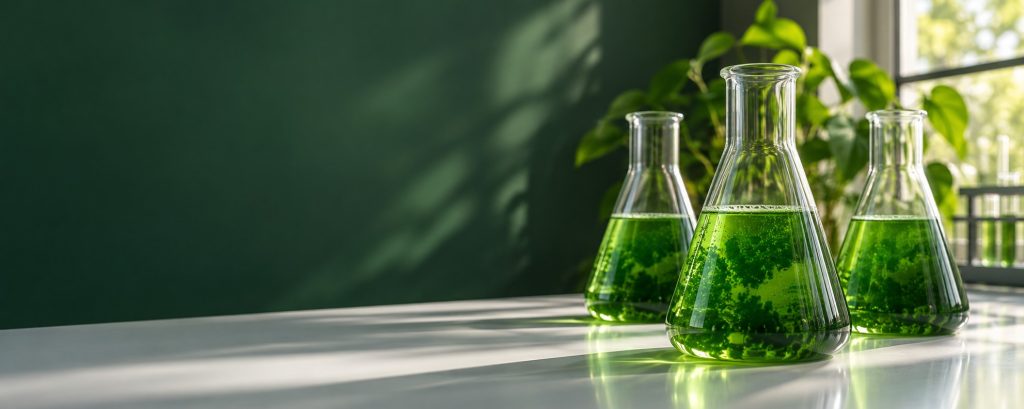
Cultara Cultivation
A closer look at the green
At Cultara, we cultivate Chlorella and Spirulina—two microscopic organisms with valuable roles in nutrition, research and sustainability. Discover what makes them unique and how learning about them can open new possibilities for people and the environment.
What Are These Tiny Organisms?
You may have seen green ponds or heard of algae supplements, but there is much more to these organisms than their colour.
Chlorella and Spirulina are tiny living organisms that use light to grow through a process called photosynthesis. Like plants, they use carbon dioxide and release oxygen as they grow. Scientists study them for their nutrients and their potential applications in food, animal feed and environmental technologies.
These are basic cultivation inputs, rather than a complete list of growth requirements.
☀ Light
Provides energy for photosynthesis.
≈ Water
Provides the liquid environment for cultivation.
◌ Nutrients
Supply essential materials for growth.
Did you know?
Chlorella is a green microalga. Spirulina is commonly called blue-green algae, although scientifically it belongs to a group called cyanobacteria—tiny organisms that also carry out photosynthesis.
Chlorella
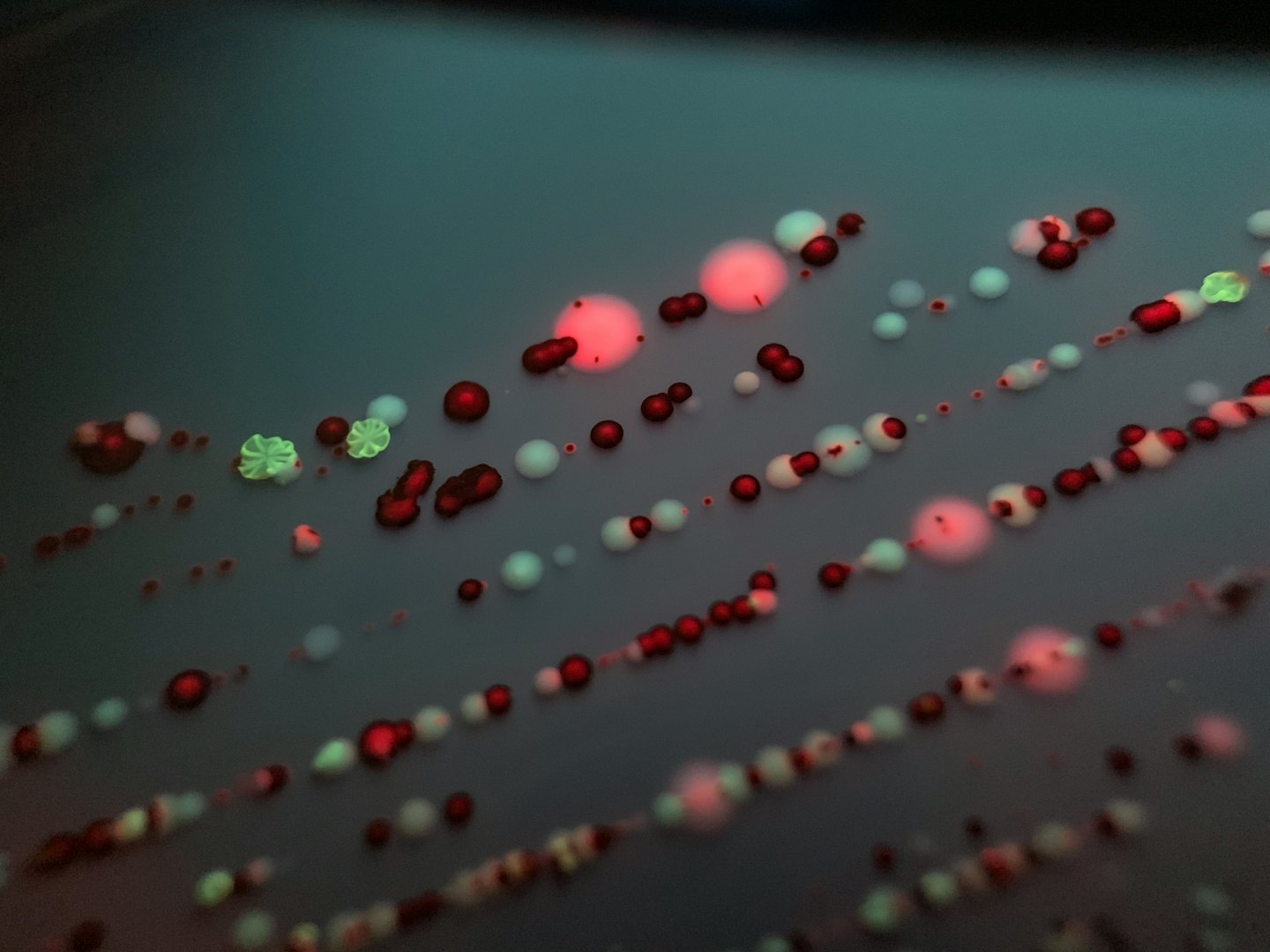
Chlorella is a microscopic green alga made up of individual cells. Its green colour comes from chlorophyll, the pigment that helps it capture light for growth. It is studied and cultivated for its nutritional composition and its potential use in a range of biological applications.

A Single-Cell Organism
Each Chlorella cell is a complete living organism, too small to see individually without a microscope.

Naturally Green
Chlorophyll gives Chlorella its colour and helps it use light to grow.

Contains Useful Nutrients
Chlorella can contain protein, fibre and natural pigments. Its composition varies with the species, growing conditions and processing methods.
Why Does Chlorella Matters?
For People
Properly produced and tested Chlorella is used in some foods and nutritional supplements. Its value comes from the nutrients it provides; the composition of each product can differ.
For the Environment
During photosynthesis, Chlorella uses carbon dioxide to build new cells. This helps explain the interest in algae cultivation as part of carbon utilisation research.
For Innovation
Studying Chlorella helps researchers understand how growing conditions influence its growth and useful components.
Spirulina
Spirulina is a microscopic organism commonly known as blue-green algae. Under a microscope, it often appears as long, spiral-shaped strands. It is cultivated around the world for use in food and animal feed, particularly because of its protein content.
A Distinctive Shape
Its strands often resemble tiny coils when viewed under a microscope.
Protein-Rich Biomass
Dried Spirulina is known for its high protein content. The amount varies with growing and processing conditions. Biomass simply means the biological material produced as the organisms grow.
Natural Colour Pigments
Spirulina contains chlorophyll and a blue pigment called phycocyanin, which contributes to its distinctive colour.
Why Does Chlorella Matters?
For People
Food-grade Spirulina can contribute protein and other nutrients to foods and supplements.
For Aquaculture
Spirulina is used as an ingredient in some fish and shrimp feeds, contributing nutrients to carefully formulated diets. Aquaculture means farming aquatic animals such as fish and shrimp.
For the Environment
Its ability to grow through photosynthesis makes it relevant to research on renewable biological resources. Its overall environmental impact depends on how it is cultivated and processed.
Did you know?
Using carbon dioxide during growth does not automatically mean a process is carbon-neutral. Its environmental performance also depends on energy, water, nutrients, processing and what happens to the harvested material.
How Can Cultivation Support Sustainability?
Cultivation allows us to study how tiny organisms turn light, carbon dioxide and nutrients into new biological material. This creates opportunities to explore useful ingredients and more efficient ways of using resources.
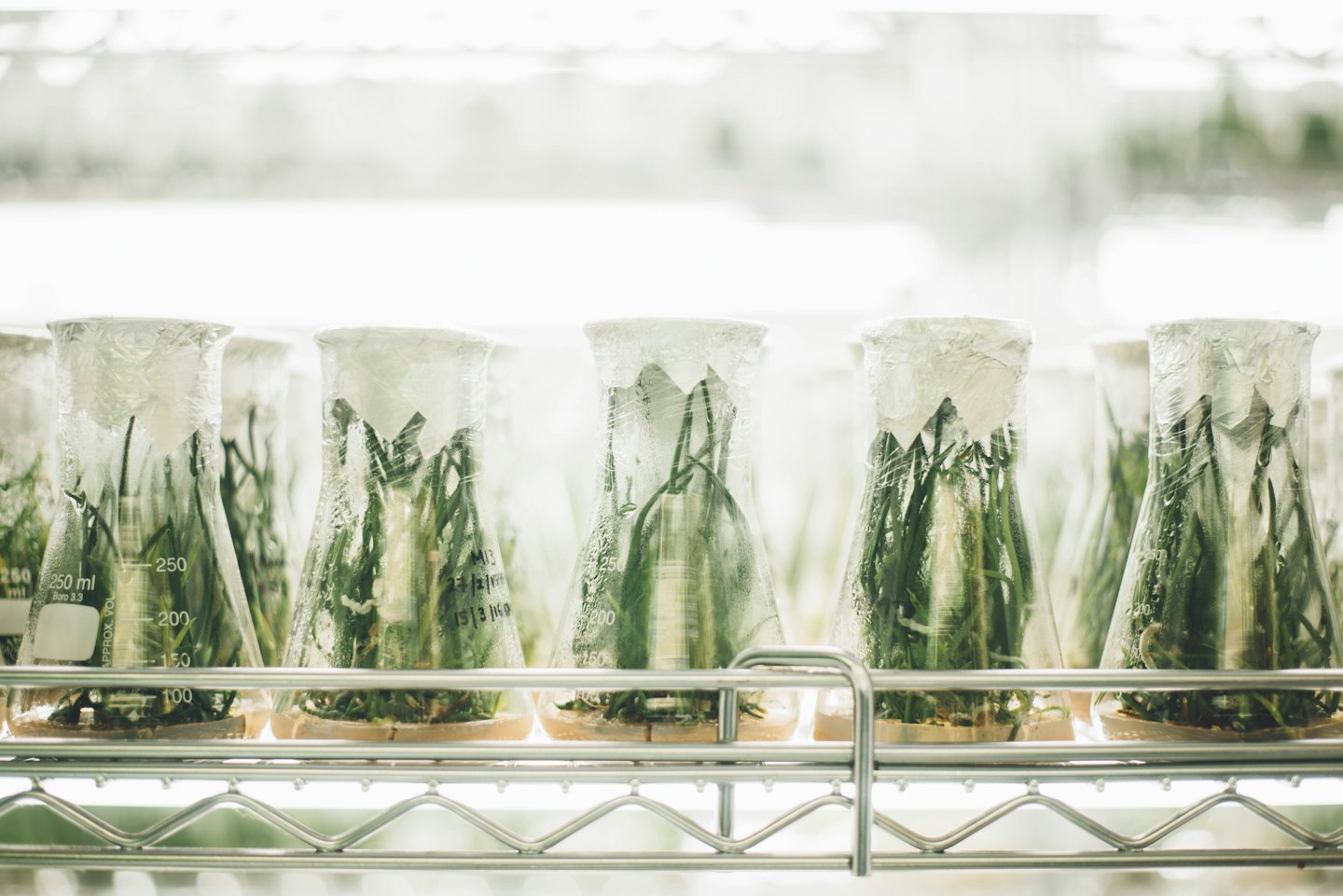
Using Carbon Dioxide
During photosynthesis, these organisms use carbon dioxide to grow. Researchers are exploring how this process can contribute to systems that use captured carbon.
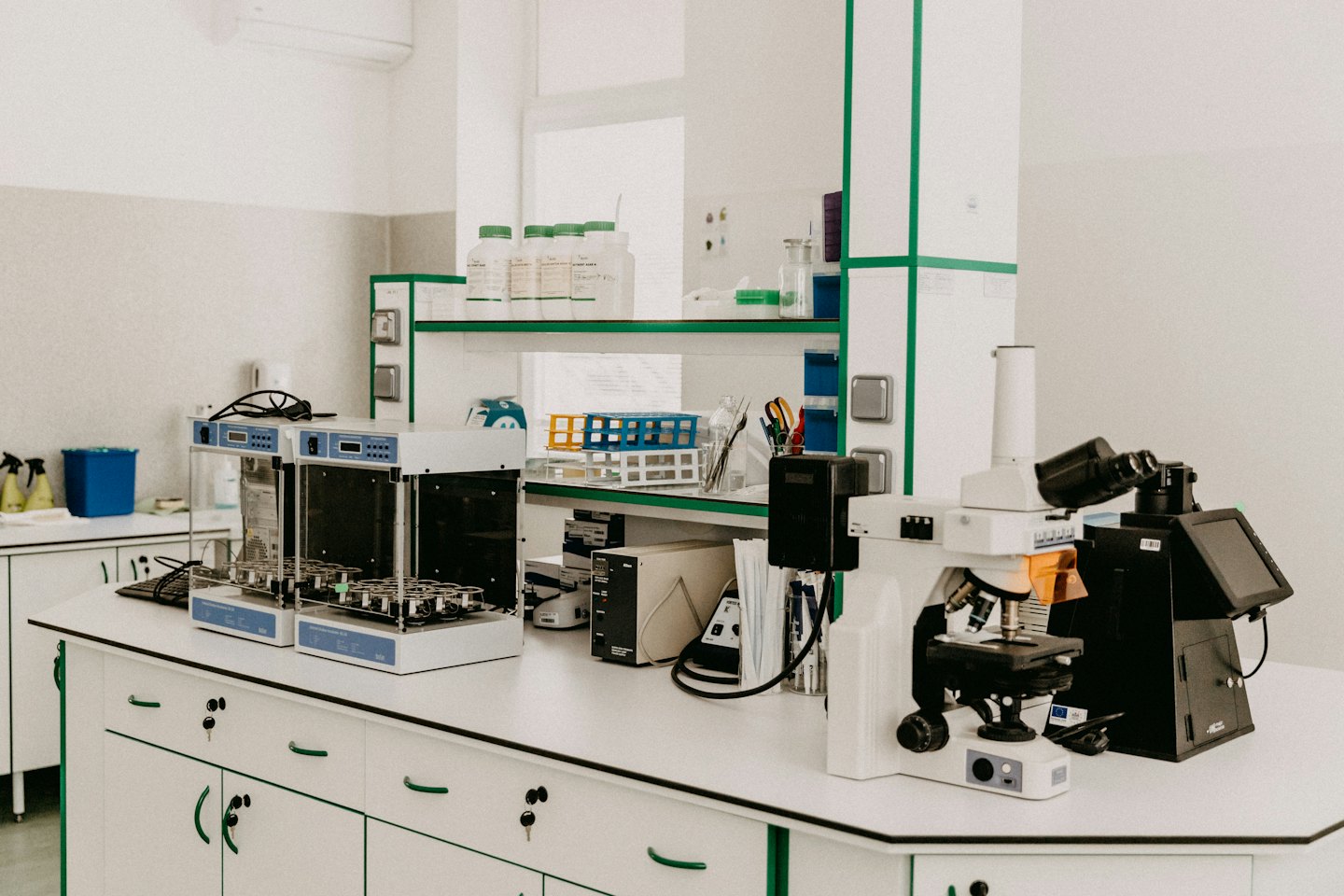
Producing Useful Biological Materials
Cultivated algae can provide material for food, feed and other products, creating alternatives worth investigating.
Exploring Resource Recovery
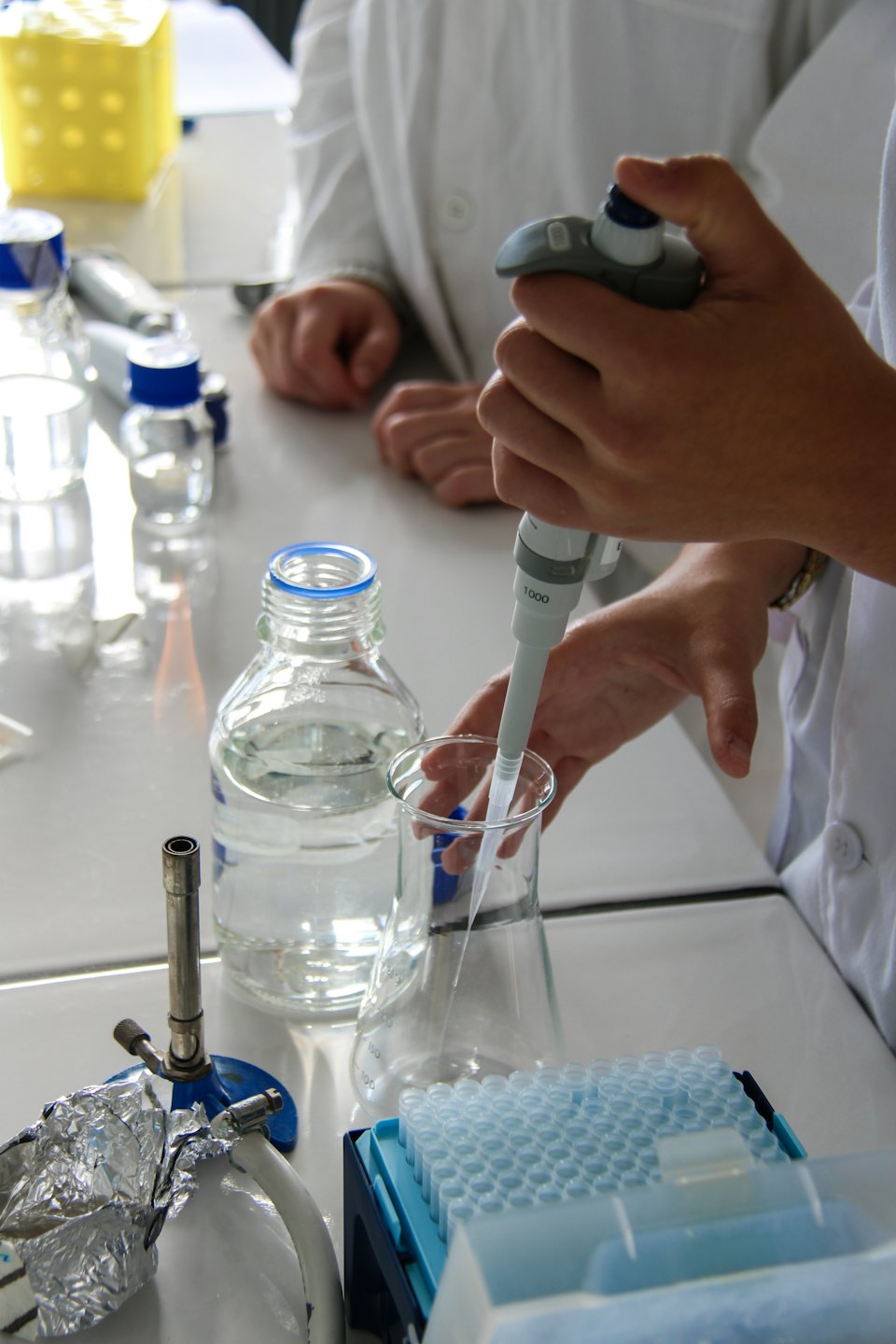
Some algae systems are designed to use nutrients recovered from waste streams. These applications require suitable organisms, carefully designed processes and controls appropriate to the intended use.
FAQ About Microalgae
What are microalgae?
Microalgae are tiny organisms, usually found in water, that are generally too small to see individually without a microscope. Many use light, water and carbon dioxide to grow through photosynthesis, releasing oxygen in the process.
Are microalgae harmful?
Not all microalgae are harmful. Many play useful roles in ecosystems, research and cultivation. However, some algae and cyanobacteria can produce toxins, and excessive growth in natural waters can harm aquatic life. Safety depends on the organism, water quality and how it is managed, which is why correct identification and appropriate cultivation controls matter.
How can microalgae contribute to better air quality?
During photosynthesis, microalgae use carbon dioxide and release oxygen. This makes them relevant to technologies designed to manage carbon dioxide. However, a culture does not automatically remove dust, smoke, germs or other air pollutants. Any claim that a system improves indoor air quality needs testing under real operating conditions.
How can microalgae help industries reduce carbon emissions?
In a suitably designed system, microalgae can use carbon dioxide supplied from certain industrial processes to grow. The harvested material may then be used to make useful products. This offers a way to use some industrial carbon, but the actual emissions benefit depends on the energy used, system performance and what happens to the material afterwards.
Can microalgae help industries achieve zero carbon?
Microalgae may support a wider emissions-reduction strategy, but they cannot make an industry zero-carbon on their own. Businesses also need to reduce emissions at their source, improve energy efficiency and use lower-carbon energy. Any contribution to net-zero goals must be measured across the full process, including cultivation, processing and the final use of the material.
How else can microalgae benefit the environment?
Microalgae support aquatic food webs and natural nutrient cycles. In carefully designed treatment systems, some can take up excess nutrients from water, while cultivated material can be explored for useful products. These benefits depend on the organisms and the application; uncontrolled algal blooms can instead damage water quality.
Is the carbon absorbed by microalgae stored permanently?
Usually, carbon uptake during growth is temporary. Carbon may be released again when the harvested material decomposes or is used. Long-term carbon storage requires a suitable pathway and verification, so absorbing carbon dioxide is different from permanently removing it.
What is Cultara doing in this field?
Cultara currently cultivates Chlorella and Spirulina as part of its microalgae research and development. We aim to make the science accessible through education and explore practical sustainability applications. Specific air-quality or industrial emissions benefits will need to be demonstrated through application-specific testing.
Discover the Science Behind the Green
Interested in learning about cultivation or exploring a research collaboration? Connect with Cultara to find out more about our work with Chlorella and Spirulina.